
.png)
Sovereign AI refers to a nation's ability to produce its own artificial intelligence technology and build AI in accordance with regulations that protect the interests of its citizens. When it comes to sovereign AI in Europe, the European Union has allocated a budget of around €200 billion for AI development that prioritizes human health and well-being. The primary reason for this is to eliminate the potential risks AI poses to society and humans and to gain a lead in the AI race. If you're curious about sovereign AI in Europe, we've got you covered!
In this article, we'll explore what sovereign AI is and the approach to sovereign AI in Europe.
Ready?
Let's dive in!
TL; DR
- Sovereign AI is the freedom of a nation to make its own decisions when developing, training, and deploying its own AI.
- Sovereign AI prioritizes user privacy and data security compared to public AI.
- Sovereign AI in Europe refers to AI platforms operating in Europe that meet the requirements of the EU AI Act.
- If you want to seamlessly integrate AI into your enterprise in Europe, you should work with GDPR and ISO 27001-compliant AI platforms like TextCortex.
What is Sovereign AI?
The internet and social media platforms have been effective methods for overcoming cultural differences or instilling a nation's culture. In today's AI era, cultural differences impact AI's training methods, the data used, and its output tone. Sovereign AI refers to a nation's ability to develop artificial intelligence models based on its own ethical principles and desires.
Sovereign AI vs Public AI
A clear way to understand sovereign AI is by contrasting it with public AI. In sovereign AI, data and model information are restricted to authorized parties. In contrast, public AI systems may use user data for self-training or output generation. Data leaks by AI providers are a known risk. While public AI models are vulnerable to leaking sensitive user information, sovereign AI models offer enhanced protection, even in cases of data leakage, due to their adherence to strict legal frameworks.
Challenges of Sovereign AI
While Sovereign AI prioritizes protecting user security and privacy, it also creates new challenges for AI companies. Some of the challenges of Sovereign AI include:
- Legal Cost: Organizations need to research governments and jurisdictions to implement artificial intelligence.
- Staff Expenses: You need additional labor to deploy Sovereign AI or integrate your AI tool into the requirements.
- Technical Complexity: Sovereign AI may require changes to your IT team and application stack. They may need to write new software or change the code to meet compliance requirements.
Sovereign AI in Europe
The European Union, composed of 27 countries, has introduced strict oversight of AI technology to protect human rights and health. The EU's goal is to ensure the safety of AI throughout its development and deployment, and to facilitate its widespread adoption. Therefore, the EU AI Act has introduced four distinct risk categories and restrictions for AI systems. These rules ensure that AI technology is both secure and transparent, prioritizing user rights.
Why Does Sovereign AI Matter?
Sovereign AI is necessary and important for both government and media for two primary reasons:
- Editorial Independence: With Sovereign AI, you can prevent data leaks into the AI models you use on traditional and digital social media platforms.
- Data Privacy: Thanks to GDPR compliance and certificates like SOC Type 2 that ensure user privacy and security, you can be confident that your corporate data is secure, and your work will not be stolen by third parties.
How to Adapt AI in Europe?
If you're a company developing and deploying AI technology, you should consider the EU AI Act's risk categories not as a box to be checked, but as a to-do list that impacts the foundation of your AI model and ensures its safe deployment. Strategies you can follow to deploy your AI model within the EU and introduce your product to the European market include:
- Data Minimization: Collect only the data necessary for your AI model to reduce the risk of a data breach.
- Federated Learning: Store data on devices rather than in the cloud to prevent mass data leaks.
- Encryption and Anonymization: Meet the basic requirements for GDPR compliance and protecting user identity.
- Explainable Models: Use reasonable algorithms to increase user trust and explain why your AI model does what it does.
Do AI models have deployment issues in Europe?
While the EU AI Act's provisions impose restrictions on AI models and companies, they do not prevent the deployment of any AI model, as long as they are in line with the laws. The EU AI Act's provisions are entirely aimed at protecting the security, privacy, and health of citizens and companies. AI models that do not comply with the EU AI Act's deployment provisions can lead to both security issues and data leaks. However, if your AI model meets requirements such as GDPR compliance, it can operate in Europe.
TextCortex – Your EU-based Enterprise AI Platform
If you're looking for an AI platform that you can integrate with your enterprise, implement EU regulations, and meet requirements like GDPR, TextCortex is the solution for you. TextCortex has prioritized privacy and security since the early stages of development. Furthermore, TextCortex is SOC 2 certified and GDPR and ISO 27001 compliant. This means your enterprise can harness the power of AI without any legal restrictions in the EU! Simply contact us to join over 2 million users and hundreds of enterprises!
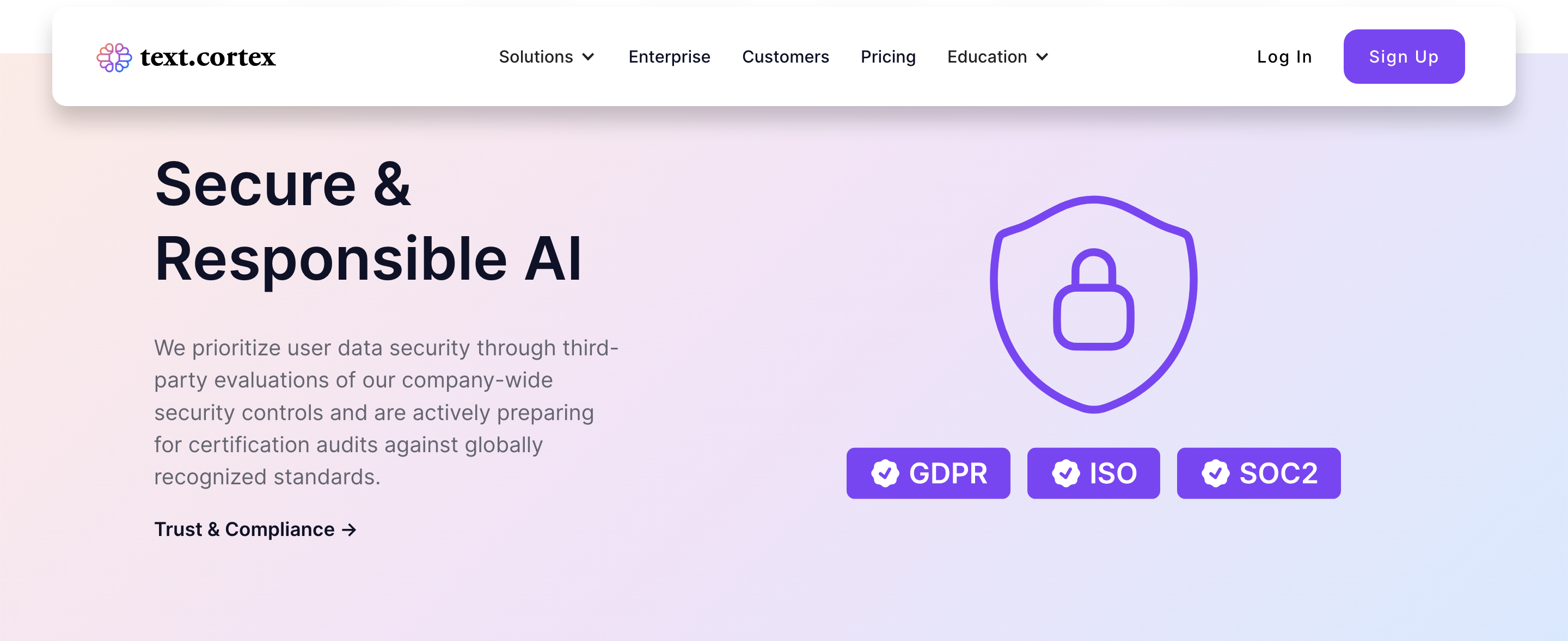
So what benefits does TextCortex offer your enterprise? Let's break it down!
Manage Your Knowledge with AI
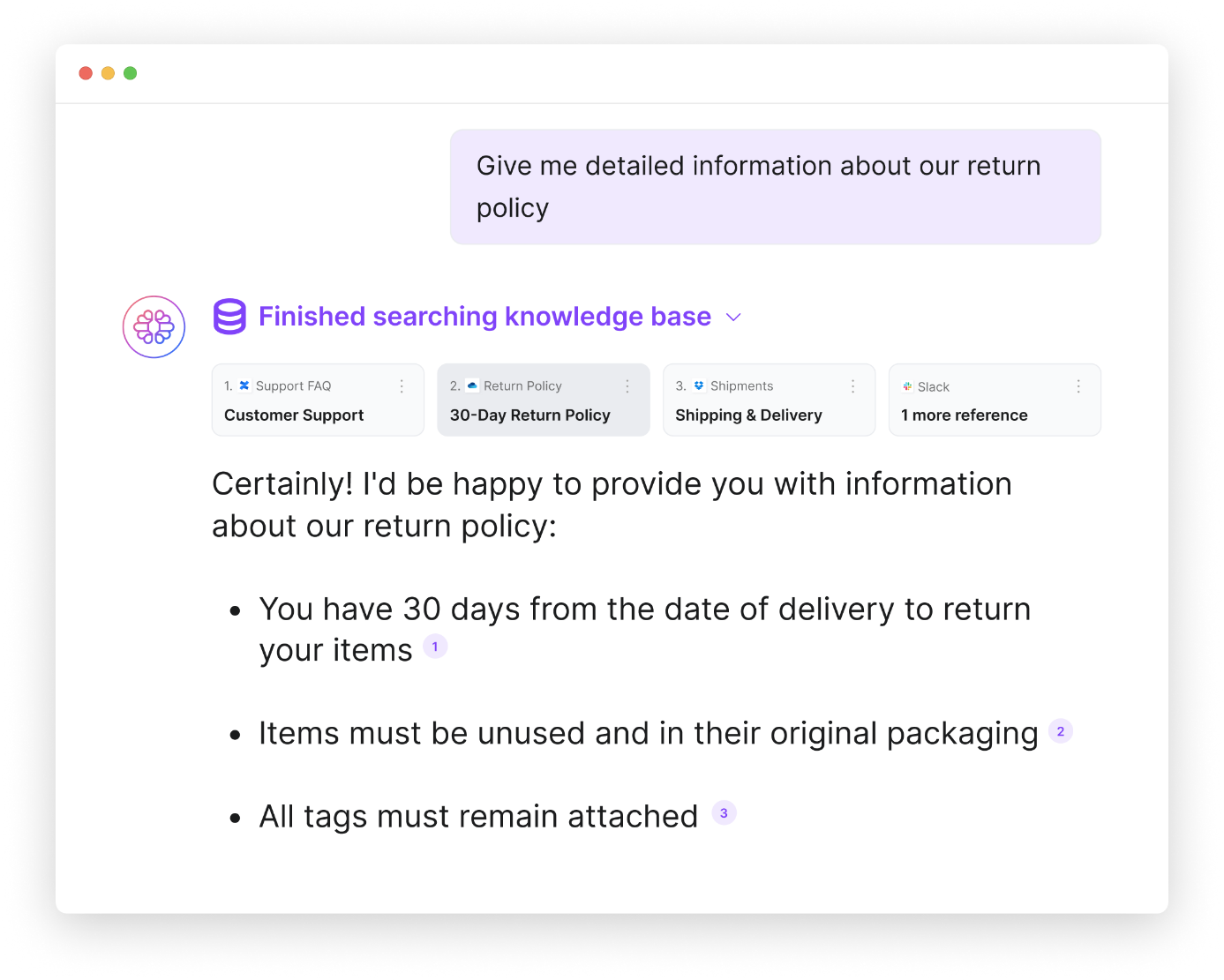
TextCortex introduces knowledge bases to which users can upload internal or external data or connect to databases like Google Drive or Microsoft OneDrive. With our knowledge bases, you can create custom knowledge bases for your projects, departments, or teams, and quickly find the information you're looking for with AI search. Furthermore, our AI agents can analyze your existing knowledge base data, turning it into actionable insights or generating new and unique data.
Create AI Agents Powered by EU-Hosted LLMs
With TextCortex, you can create custom AI agents and automate repetitive or specific workflows. Because the AI agents you create integrate with your knowledge base, you can build specialized AI agents for tasks like data analysis.
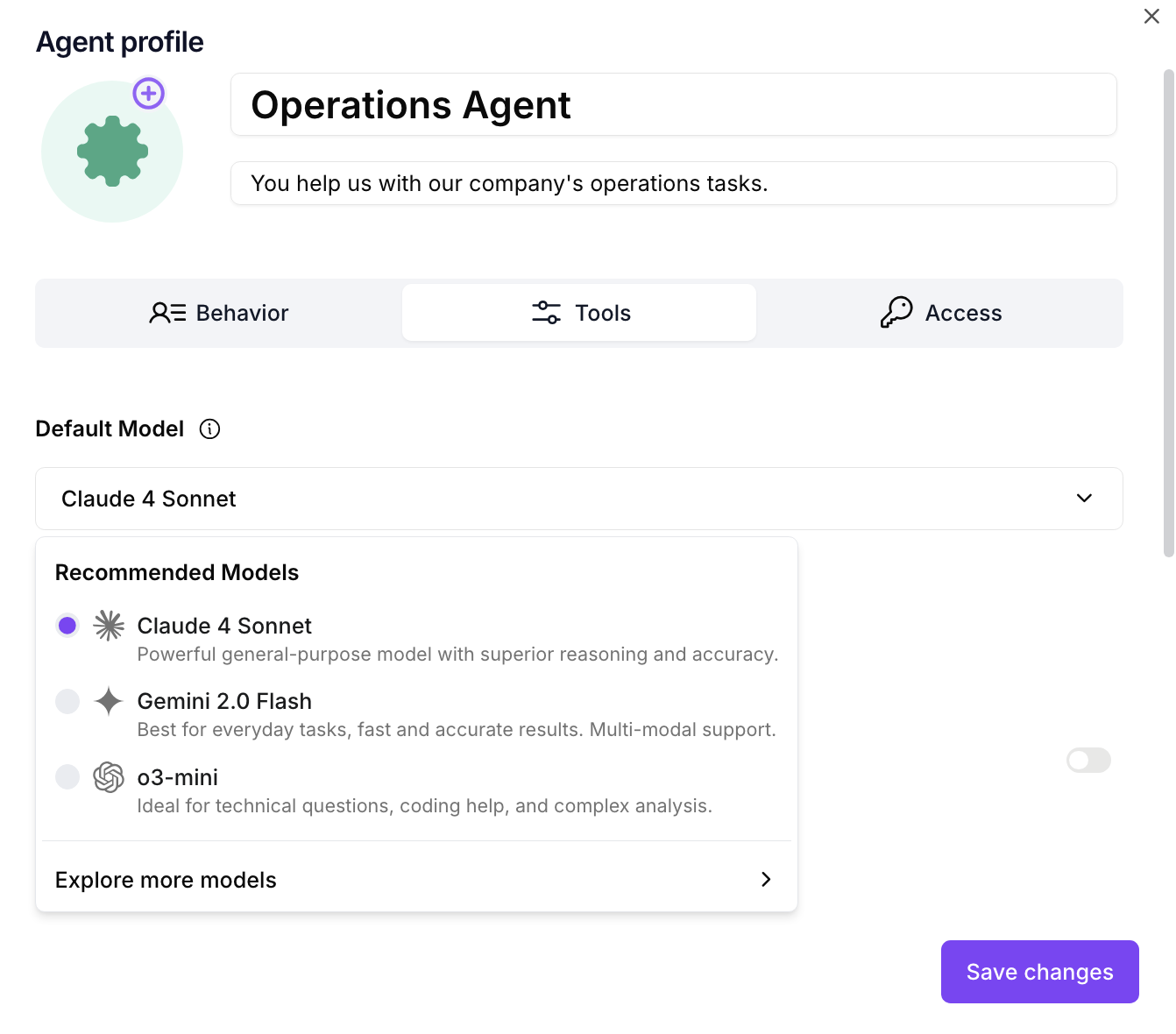
With TextCortex, you can build AI agents that leverage popular and powerful large-language models like GPT-5, o3, and Claude 4 Sonnet, and use them to automate your complex tasks.
Frequently Asked Questions
Do startups need to worry about AI regulation in the EU?
If you're working with an enterprise AI platform that complies with EU AI Act regulations and prioritizes company data privacy and security, you don't need to worry about AI regulations in the EU. For example, TextCortex is an AI platform that offers AI knowledge management and automation capabilities and operates in compliance with EU AI Act regulations.
What happens if we don’t comply with the EU AI Act?
Failure to comply with the EU AI Act can lead to reputational damage and fines. Therefore, if you plan to deploy AI in the European Union, we recommend working with GDPR-compliant enterprise AI platforms like TextCortex.
What is Sovereign AI in Europe?
Sovereign AI in Europe refers to AI platforms that comply with the restrictions and meet the requirements of the EU AI Act.
.png)
.png)
.png)