
%20(36).png)
Procurement has always been one of the most data-intensive functions in any enterprise, and one of the most underserved by technology. That's changing fast. According to McKinsey, AI-driven automation could make procurement operations 25-40% more efficient, and companies already manage 50% more spend per employee than 5 years ago.1
In this article, we'll explore how AI applies to each type of procurement activity and the concrete benefits enterprises are already measuring.
TL;DR: AI improves procurement through automated spend analysis, predictive demand forecasting, intelligent supplier selection, contract management, and risk monitoring. BCG research shows AI can streamline manual procurement work by up to 30% and reduce overall costs by 15-45%. 64% of procurement leaders expect AI to transform their roles within 5 years (Hackett Group 2025). TextCortex helps procurement teams build AI workflows on their own contract, supplier, and RFP data.
What is Procurement?
Procurement is a vital business function that involves the process of sourcing, acquiring, and managing goods, services, or works from external suppliers. It's a strategic approach to supply chain management that goes beyond simple purchasing.
Types of Procurement Activities
Procurement activities fall into several categories, each with distinct objectives:
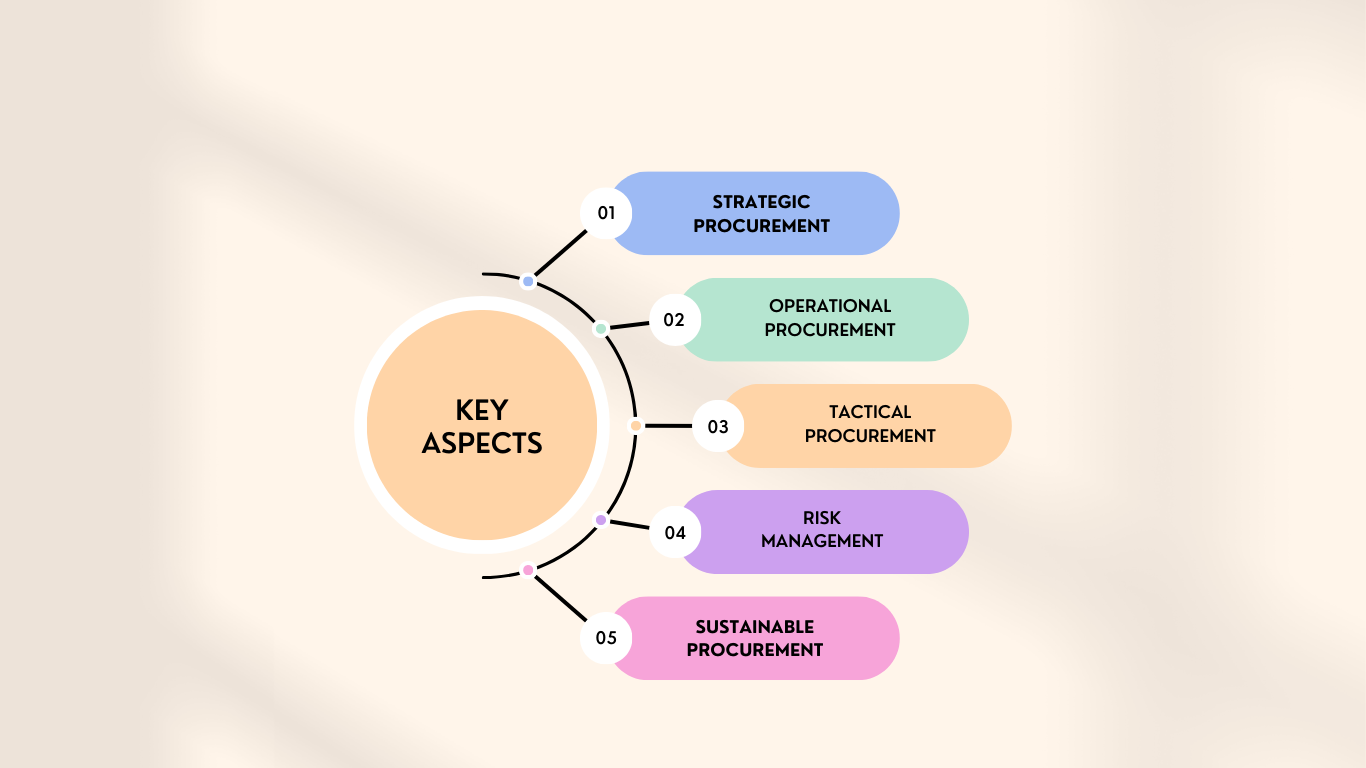
Strategic Procurement
Strategic procurement focuses on long-term planning and relationship building. It involves aligning procurement activities with overall business objectives, evaluating potential suppliers, and cultivating partnerships with key vendors.
Operational Procurement
Operational procurement handles the day-to-day activities of purchasing: placing orders, managing the buying process, overseeing supplier agreements, and ensuring received goods or services meet specified quality standards.
Tactical Procurement
Tactical procurement is concerned with maximizing value in each transaction. It involves negotiating favorable terms and prices with suppliers and continuously identifying cost-saving opportunities.
Risk Management
This type of procurement aims to protect the organization from supply chain disruptions. It involves identifying and mitigating risks, and ensuring compliance with legal, ethical, and organizational guidelines throughout the procurement process.
Sustainable Procurement
Sustainable procurement focuses on the broader impact of purchasing decisions. It ensures that suppliers meet ethical standards and prioritizes environmentally responsible products and practices.
AI's Role in Procurement
Procurement has evolved from a purely transactional function to a key driver of business strategy. AI makes this shift measurable, not just aspirational. Here are the ways organizations are deploying AI across procurement today.
Automated Spend Analysis
AI analyzes vast amounts of procurement data quickly, categorizing spend, identifying patterns, and highlighting areas for cost savings. A process that previously took weeks can be completed in hours. BCG research shows AI can reduce overall procurement costs by 15-45%.2
Predictive Analytics for Demand Forecasting
AI algorithms predict future demand based on historical data, market trends, and external factors, helping companies optimize inventory levels and negotiate better with suppliers before demand spikes.
Intelligent Supplier Selection
AI evaluates suppliers on multiple criteria simultaneously: price, quality, delivery time, risk factors. It also continuously monitors supplier performance, providing real-time insights for decision-making rather than relying on quarterly reviews.
Contract Management and Analysis
AI reviews contracts, extracts key information, identifies risks, and ensures compliance. AI implementation has cut contract lifecycle time by 39% and increased productivity by 44%, with organizations using AI in contract management reporting 31% cost savings.3
Procurement Chatbots
AI-driven chatbots handle routine procurement queries, freeing human staff for more strategic tasks. They assist with order status inquiries, supplier onboarding, and basic troubleshooting, available 24/7 across time zones.
Risk Monitoring
AI continuously monitors risk factors across the supply chain, from geopolitical issues to financial instability of suppliers, enabling proactive mitigation rather than reactive damage control after disruptions occur.
Sustainable Procurement
AI tracks and analyzes sustainability metrics, ensuring that procurement decisions align with a company's environmental and social responsibility goals, and helping teams meet increasingly stringent regulatory requirements.
Benefits of AI in Procurement
Here's what enterprises are measuring after deploying AI across procurement functions:
- Enhanced efficiency: AI automates time-consuming tasks like data entry, purchase order processing, and supplier communications, freeing teams for strategic work.
- Cost savings: Advanced analytics and predictive modeling identify cost-saving opportunities, optimize pricing, and reduce maverick spending.
- Improved accuracy: AI minimizes human errors in data entry, calculations, and analysis, reducing the risk of costly mistakes.
- Real-time insights: AI-powered systems process vast amounts of data continuously, providing up-to-the-minute insights on market trends, supplier performance, and spend patterns.
- Better supplier management: AI evaluates and ranks suppliers objectively across multiple criteria, improving selection and ongoing relationship management.
- Risk management: AI monitors supply chain risk factors continuously, alerting procurement teams to potential disruptions before they occur.
- Enhanced compliance: AI systems flag non-compliant actions automatically, ensuring adherence to company policies, industry regulations, and legal requirements.
- Improved forecasting: By analyzing historical data and market trends, AI provides more accurate demand forecasts, reducing inventory costs and supply gaps.
- Increased transparency: AI analytics provide a clear view of the entire procurement process, making it easier to identify and address inefficiencies.
- Sustainable procurement: AI tracks sustainability metrics, making it easier to make environmentally and socially responsible procurement decisions at scale.
TextCortex for Procurement Teams
TextCortex is an EU-based enterprise AI platform that helps procurement teams build AI workflows on their own contract, supplier, RFP, and spend data. Teams query internal documentation in natural language, automate routine communication drafting, and analyze supplier data without rebuilding their existing systems.
Automated Procurement Workflows
TextCortex's Flows feature lets procurement teams build automated workflows for common tasks: RFP analysis, supplier communication drafting, contract review routing, and spend report generation. Templates define what the AI should do and include dynamic input fields for each new task.
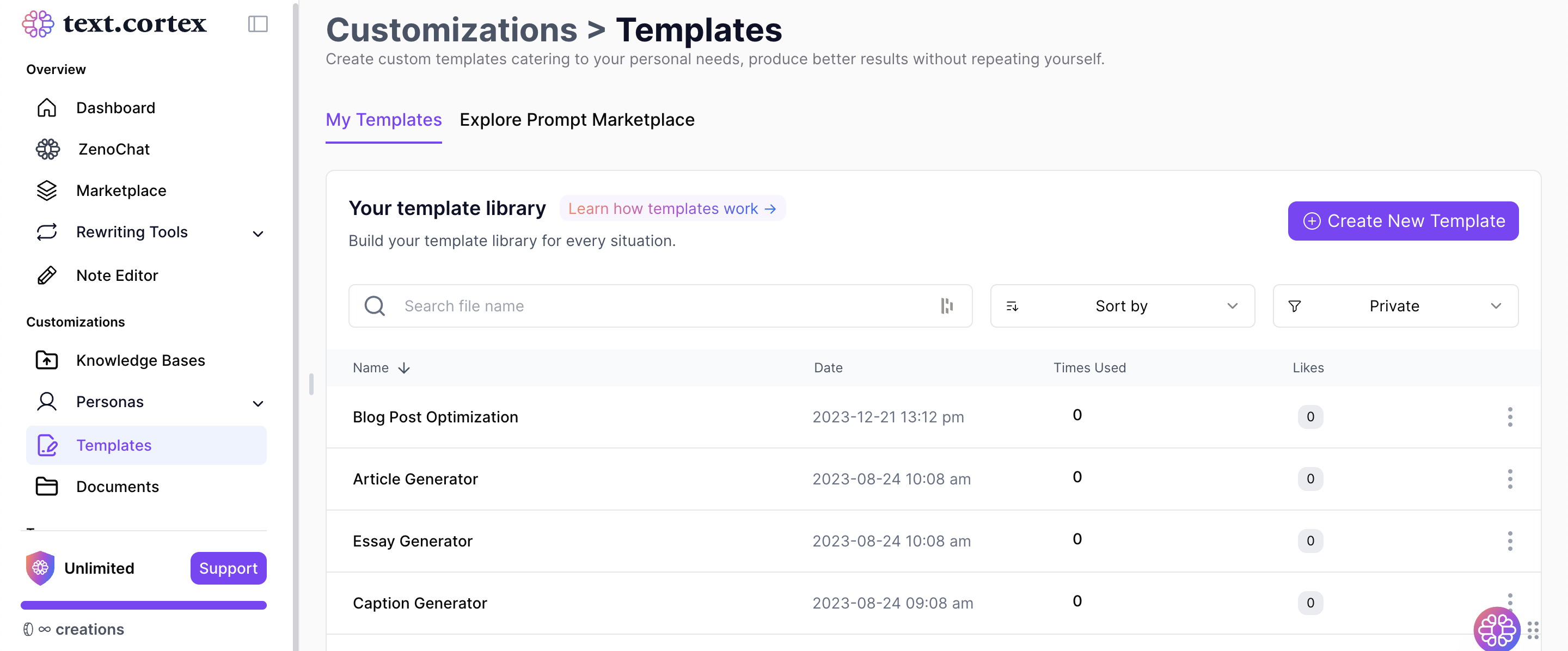
Once you've built a workflow, it's reusable across your team. Navigate to the Templates tab under Customizations and click "Create New Template". Fill in the template prompt, define what the AI should do, and set up the dynamic input fields that get filled in for each new interaction.
See results from Atares, deploying TextCortex to reduce operational workload:
- 20 hours per week saved in operational time after deployment
- Reduced time on manual document drafting, follow-ups, and information retrieval
- Teams able to redirect time toward strategic supplier relationships and cost reduction initiatives
TextCortex is ISO 27001 certified, SOC 2 certified, fully GDPR and EU AI Act compliant, serving Fortune 500 and DAX 40 customers worldwide. Sign up and experience the future of AI-powered procurement.
Frequently Asked Questions
How is AI used in procurement?
AI is used in procurement for automated spend analysis, demand forecasting, supplier evaluation and monitoring, contract review and management, RFP analysis, risk monitoring, and chatbot-based query handling. The most immediate ROI typically comes from automating spend classification and contract analysis, where manual processes are time-intensive and error-prone.
What are the benefits of AI in procurement?
BCG research shows AI can streamline manual procurement work by up to 30% and reduce overall costs by 15-45%. Organizations using AI in contract management report 31% cost savings and 39% shorter contract lifecycles. McKinsey's 2025 research projects AI could make procurement operations 25-40% more efficient. The Hackett Group found early adopters are already achieving productivity improvements of 25% or more.
What is automated spend analysis?
Automated spend analysis uses AI to categorize procurement spend data, identify spending patterns, flag anomalies, and surface cost-saving opportunities across all purchasing activity. What previously required weeks of manual analysis can be completed in hours. AI-powered spend classification also improves data quality, making downstream decisions more reliable.
How does AI improve supplier management?
AI evaluates suppliers against multiple criteria simultaneously (price, quality, delivery reliability, risk factors) and monitors performance continuously rather than in quarterly reviews. It flags supplier financial instability, geopolitical risks, and performance degradation before they become supply chain disruptions, enabling procurement teams to act proactively.
Can AI help with procurement compliance?
Yes. AI systems monitor procurement activities against company policies, industry regulations, and legal requirements in real time, automatically flagging non-compliant actions before they're completed. This is particularly valuable for enterprises operating across multiple jurisdictions with different regulatory requirements.
How do you get started with AI in procurement?
Start with the use case that has the highest immediate ROI for your team: typically spend analysis, contract review, or RFP processing. Connect your existing data sources (contracts, supplier records, historical spend data) to an AI platform, and deploy a targeted workflow before scaling. TextCortex connects to SharePoint, Google Drive, OneDrive, and Notion with single-click integration, letting you start without rebuilding existing systems.
1 McKinsey. "Transforming Procurement Functions for an AI-Driven World." 2025. mckinsey.com
2 BCG. "GenAI in Procurement: From Buzz to Bottom-Line Cost Reductions." April 2025. bcg.com
3 Fynk / Concord. "AI in Contract Management Statistics." 2025. concord.app
.png)
.png)
.png)