
TL;DR: OpenClaw proved enterprises want agentic AI. The security incidents proved they can't get it through an open-source personal tool. If you want AI agents that execute real tasks, connect to company data, and deploy across Slack, Teams, and other channels, these alternatives give you the capabilities without the security risks. TextCortex leads the pack with SOC 2, ISO 27001, and full connector controls.
Why Enterprises Are Looking for OpenClaw Alternatives
OpenClaw hit 247,000 GitHub stars because it solved a real problem: an AI agent that can actually do things across your tools. But the security fallout was fast. CVE-2026-25253 (CVSS 8.8) exposed a one-click remote code execution chain. Snyk found 36% of ClawHub skills contain prompt injection. SecurityScorecard counted 135,000+ instances exposed to the public internet.
Microsoft's security blog recommended treating OpenClaw as "untrusted code execution with persistent credentials." Sophos called it something that should only run in a disposable sandbox. China banned it from government computers.
The demand is real. The tool isn't enterprise-ready. That's the gap these alternatives fill.
What to Look for in an Enterprise Alternative
Before the list, here's the checklist that separates enterprise platforms from dressed-up chatbots:
- Centralized governance: Admin dashboards, role-based access, audit trails. IT needs to see what agents are doing.
- Data isolation: Company data on infrastructure you control. No training on your data. GDPR compliance at minimum.
- Security certifications: SOC 2 and ISO 27001 as a baseline, not a roadmap item.
- Multi-model access: GPT, Claude, Gemini, and others through a managed gateway. No raw API keys floating around.
- Connector controls: Granular permissions on what agents can read, write, or update across CRMs, CMSs, and communication tools.
- No-code agent building: Non-technical teams should be able to create agents without terminal access.
6 Best OpenClaw Alternatives
1. TextCortex
Best for: Enterprises that need secure, governed AI agents connected to their own data and deployed across workspace apps.
TextCortex is an EU-based enterprise AI infrastructure platform where organizations deploy and govern AI agents on their own company data. It's ISO 27001 certified, SOC 2 Type II certified, GDPR compliant, and EU AI Act compliant. Your data stays on EU servers and is never used for model training.
Where OpenClaw gives a single developer root-level control over their machine, TextCortex gives an entire organization controlled access to agentic capabilities. The platform connects to third-party systems like CRMs and CMSs, and deploys to workspace apps like Slack and Microsoft Teams. Every agent's permissions are fully controlled by admins: what it can access, write, or update is always within the user's hands.
The no-code agent builder means non-technical teams can create and deploy agents without writing a single line of code. You pick the LLM (GPT-4.1, Claude, Gemini, DeepSeek, and others), connect your knowledge bases (Google Drive, Notion, SharePoint, or direct document uploads), and define the agent's scope. TextCortex also includes skills for automating complex workflows, turning tasks that take hours into minutes.
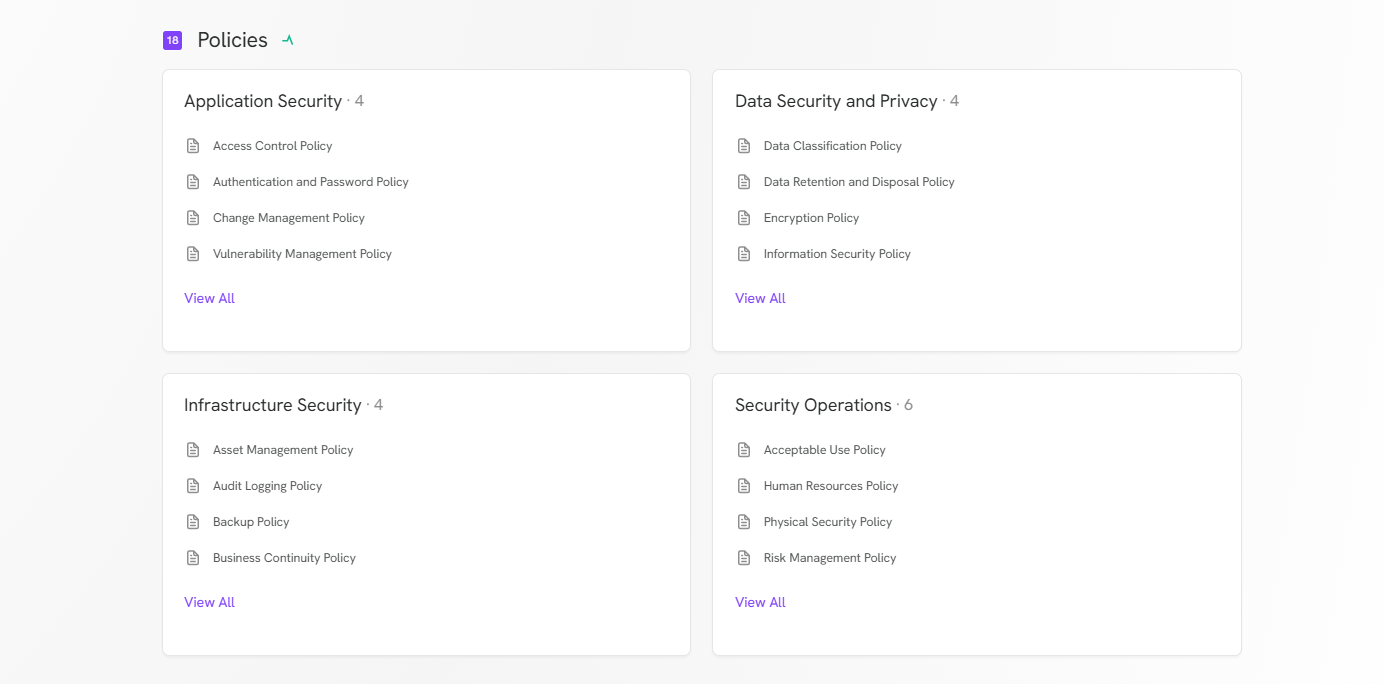
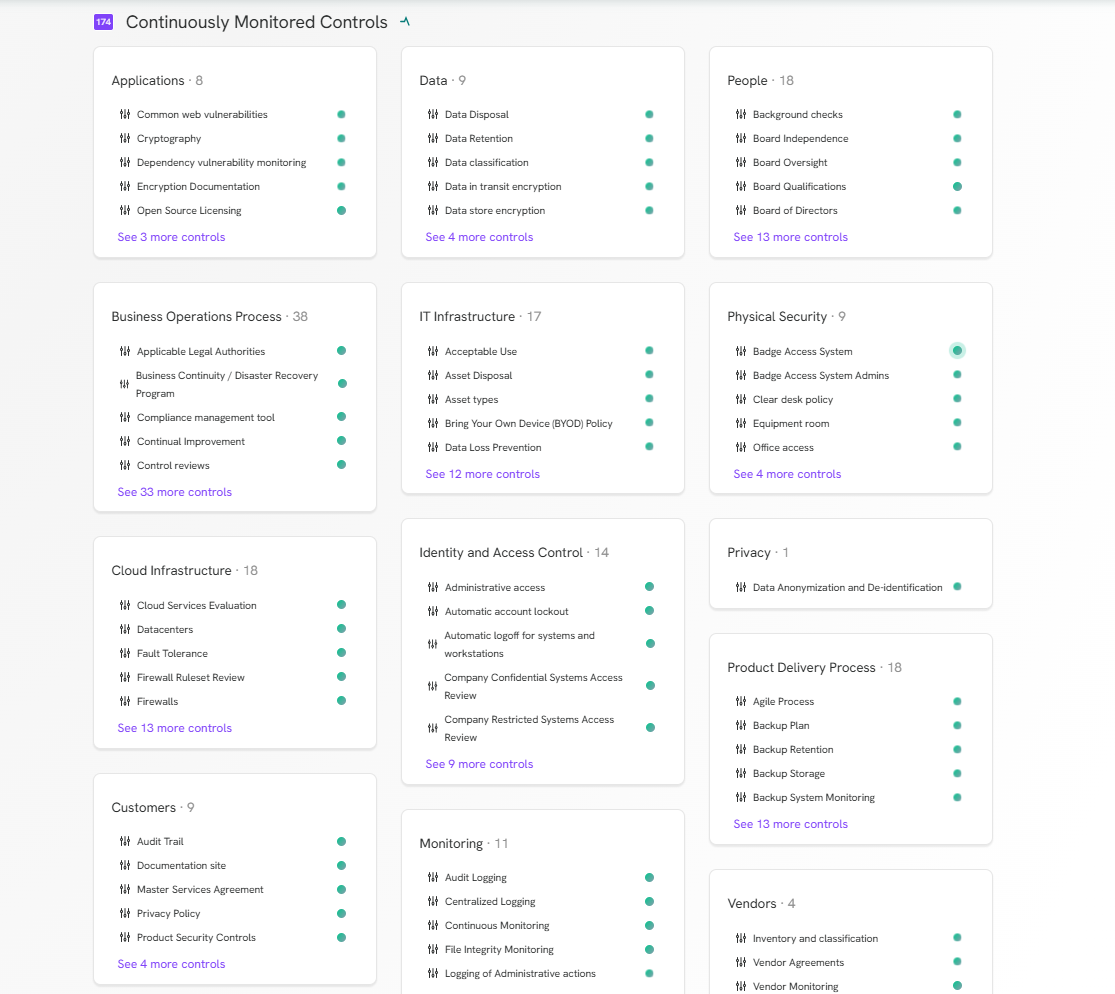
Security and compliance: Full documentation at trust.textcortex.com. Continuously monitored controls across applications, data, people, infrastructure, identity and access, privacy, and more.
Real results: MAHLE (DAX 40 automotive supplier) hit 65% adoption in under 1 month, saving 5+ hours per week per user. b2venture saw 7x growth in AI usage across their investment team with 10+ specialized agents. KBC saves 3 work days per month per employee with 28x ROI.
TextCortex also provides a 3-month AI training program: 4 workshops, team certification, and a dedicated account manager.
2. NanoClaw
If you're looking for an open-source alternative you can run on your own machine, NanoClaw is worth considering. It offers similar features to OpenClaw with one critical improvement: OS-level container isolation for each agent session.
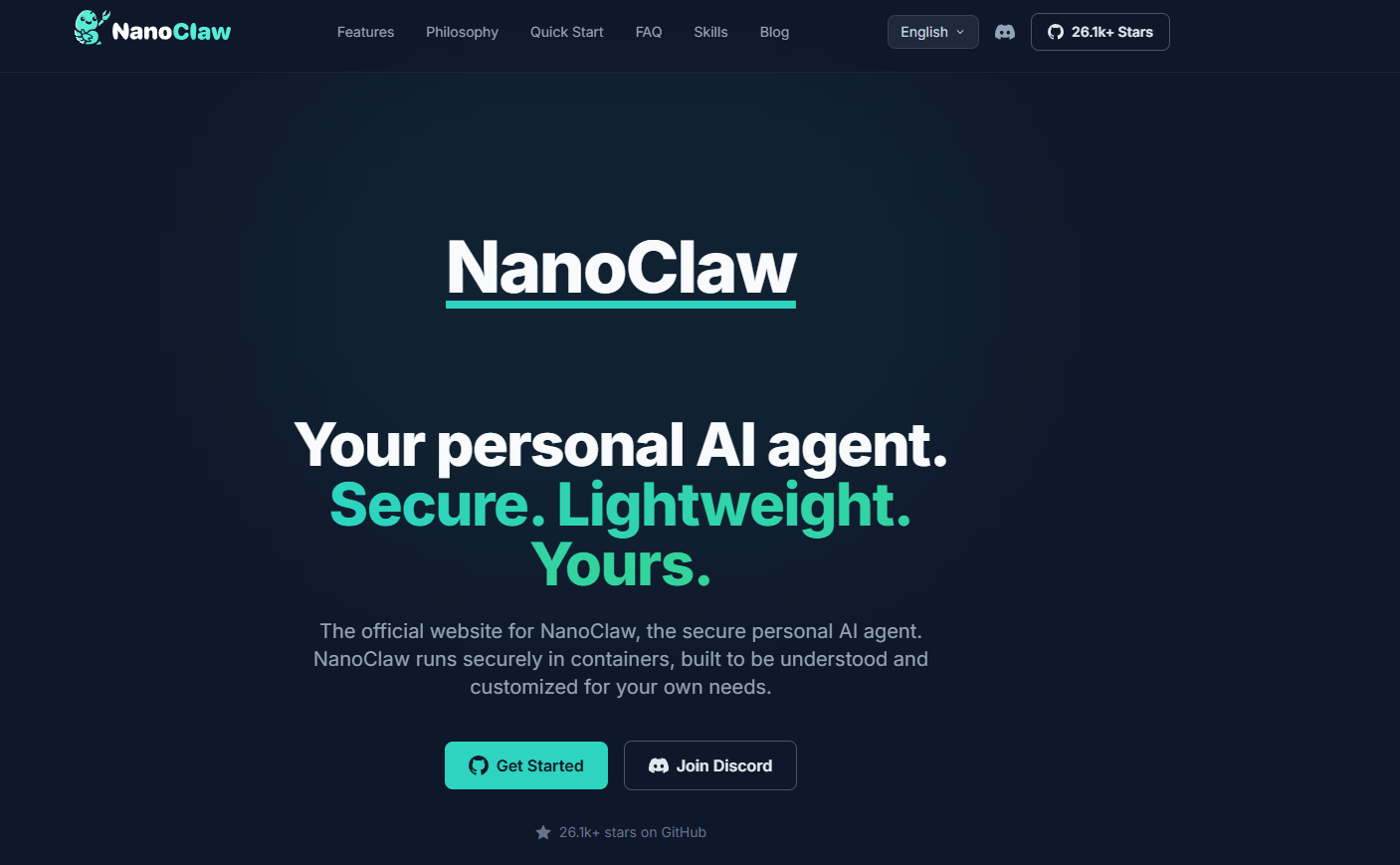
NanoClaw works using Claude Code and supports messaging platforms like WhatsApp and Telegram. Key features include container isolation per session, agent swarms, a skills system, and AI-native setup. It's a stronger security posture than OpenClaw, but still a self-hosted personal tool. No enterprise governance, no compliance certifications, no centralized admin controls.
3. TrustClaw
TrustClaw is built specifically as a more secure OpenClaw alternative. It tackles the biggest OpenClaw vulnerabilities head-on with credential masking (TrustClaw can't see or store your passwords and tokens), remote sandboxed code execution, and granular access controls.
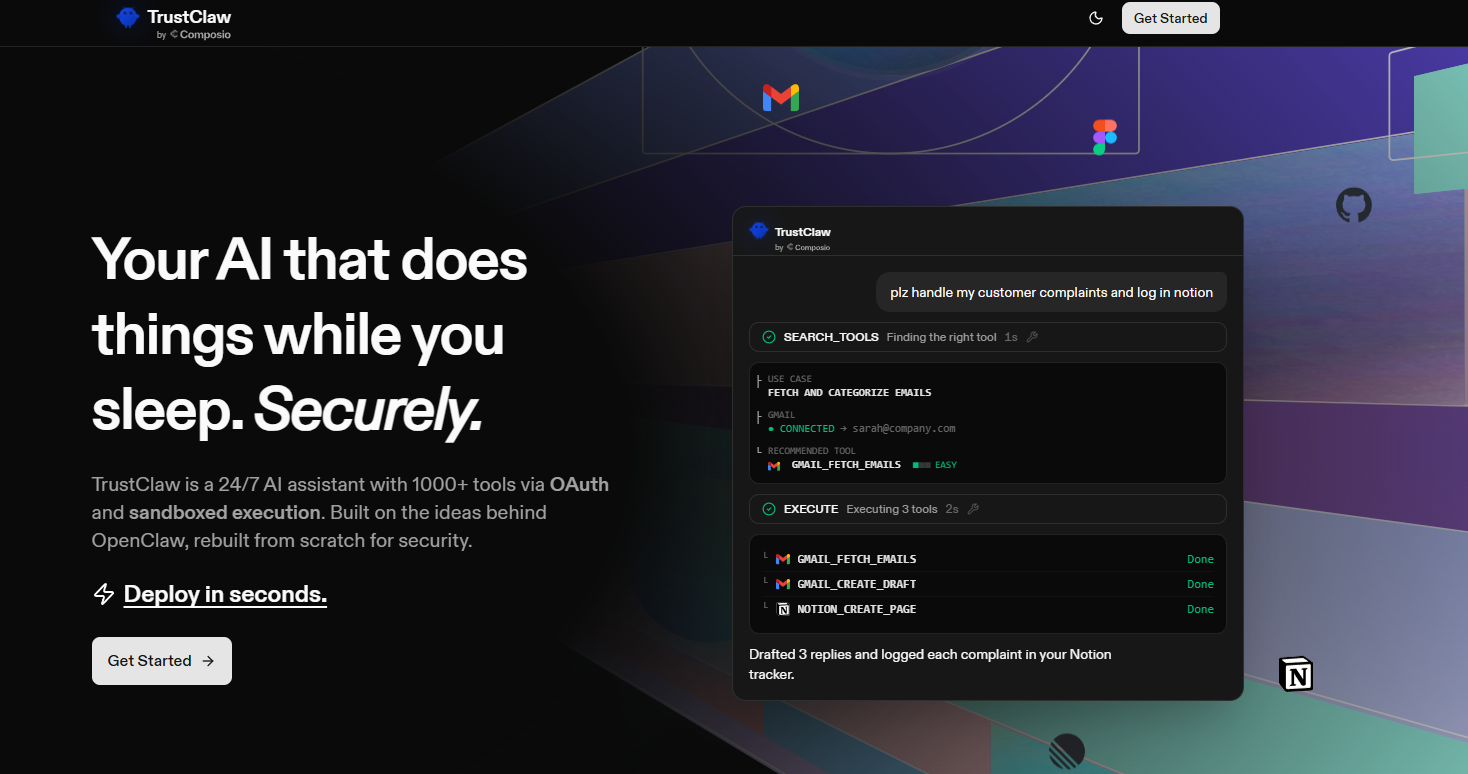
If your team insists on a self-hosted, open-source agent and won't accept a managed platform, TrustClaw is probably the most security-conscious option in this category. Still, it lacks formal compliance certifications (SOC 2, ISO 27001) and enterprise-grade audit logging.
4. PicoClaw
PicoClaw focuses on speed, simplicity, and minimal resource use. It's significantly lighter than OpenClaw, which means it runs faster on modest hardware.

PicoClaw supports local LLMs and integrates with Telegram, Discord, and Slack. The tradeoff: it doesn't offer extra security measures. You're responsible for hardening it yourself, running it on a dedicated device, and using only official sources. Best for technical users who want a lightweight agent and can manage their own security.
5. NanoBot
NanoBot is a minimalist AI agent framework with a small footprint and significantly lower resource consumption than OpenClaw.

It supports multiple LLMs, Model Context Protocol (MCP), and messaging integrations with Discord, WhatsApp, and Telegram. NanoBot can run shell commands, execute scripts, and manage files on a local device. Like most open-source alternatives, it's a developer tool without enterprise governance.
6. ZeroClaw
ZeroClaw is a Rust-based OpenClaw alternative built on the idea of "zero overhead." Rust's focus on memory safety and performance makes ZeroClaw fast and stable.
It supports multiple LLMs, integrates with Discord, WhatsApp, and Slack, and has a modular architecture. ZeroClaw's Rust foundation gives it inherent memory safety advantages, but it's still a personal tool with no enterprise governance layer.
Open-Source vs. Enterprise: The Security Gap
Here's the honest comparison against OpenClaw's known weaknesses:
- Authentication: OpenClaw had auth disabled by default until v2026.1.29. TextCortex enforces authentication from day one with SSO and MFA. Open-source alternatives vary.
- Data residency: OpenClaw stores everything locally with no encryption by default. TextCortex hosts on EU servers with GDPR compliance. Open-source tools leave data management entirely to you.
- Skill/plugin vetting: OpenClaw's ClawHub had 20% malicious skills. Enterprise platforms use curated connector ecosystems with review processes. Open-source alternatives inherit the same risk.
- Prompt injection defense: OpenClaw has no built-in guardrails against indirect prompt injection. TextCortex implements agent-level permission scoping that limits blast radius. Most open-source alternatives also lack guardrails.
- Audit trails: OpenClaw has none. TextCortex logs every agent action for compliance and forensic review. Open-source alternatives generally don't offer this.
Which Alternative Should You Pick?
It depends on your constraints and risk tolerance:
- Need enterprise governance, compliance certifications, and zero hassle? TextCortex gives you multi-model access, SOC 2/ISO 27001, EU data residency, and admin controls from one platform.
- Insist on self-hosted and open-source but want better security than OpenClaw? TrustClaw's credential masking and sandboxed execution are the strongest in this category.
- Want a lightweight, minimal agent for personal use? NanoClaw (container isolation) or PicoClaw (minimal footprint) are solid picks for technical users.
- Need Rust-level performance? ZeroClaw's memory safety gives it a structural advantage over Node.js-based agents.
If you're here because you tried OpenClaw and liked the concept but couldn't justify the risk for your organization, TextCortex is the closest match in terms of capability breadth, with enterprise security wrapped around it from the foundation up.
Frequently Asked Questions
Is there an enterprise version of OpenClaw?
No. OpenClaw is designed as a personal tool with a single trusted operator boundary. Its creator, Peter Steinberger, joined OpenAI in February 2026, and the project moved to an open-source foundation. There's no enterprise edition, no managed hosting, and no SLA.
What's the most secure OpenClaw alternative?
For enterprises, TextCortex offers the strongest security posture: ISO 27001, SOC 2 Type II, GDPR compliance, EU AI Act compliance, and continuously monitored controls. Among open-source alternatives, TrustClaw offers the best security features with credential masking and sandboxed execution.
Can I self-host an OpenClaw alternative?
NanoClaw, PicoClaw, TrustClaw, NanoBot, and ZeroClaw are all self-hosted. TextCortex is cloud-hosted on EU infrastructure with a strict no-data-collection policy for enterprise customers. The key question isn't where it's hosted; it's whether governance, audit trails, and permission controls are built into the architecture.
Do these alternatives support the same messaging platforms as OpenClaw?
The open-source alternatives (NanoClaw, PicoClaw, ZeroClaw, NanoBot) connect to WhatsApp, Telegram, Discord, and Slack, similar to OpenClaw. TextCortex integrates with 30,000+ apps and websites, deploying to Slack, Microsoft Teams, and through a browser extension and desktop app. Enterprise alternatives focus on business communication channels.
Which alternative is best for non-technical teams?
TextCortex is the only option on this list with a no-code agent builder designed for non-technical users. OpenClaw's own maintainer warned that it's "far too dangerous" for anyone who can't run a command line. The open-source alternatives all require technical setup and ongoing maintenance.
Is OpenClaw safe for enterprise use?
Based on security assessments from Microsoft, Cisco, CrowdStrike, Kaspersky, Sophos, and Trend Micro: no. OpenClaw should be treated as untrusted code execution. For more details, see our full breakdown of OpenClaw security risks.
.png)
.png)
.png)