
.png)
The increasing use of AI agents in professional settings has also made their risks more visible. While close to three-quarters of companies plan to deploy agentic AI within two years, Deloitte’s 2026 State of AI report found that only 21% of those companies have a mature model for agent governance. Without proper security controls, AI agents represent vulnerabilities for your enterprise. If you want to use AI agents securely, we’ve got you covered! In this article, we’ll explore what AI agent governance is and how you can use AI agents safely.
TL; DR
- AI agent governance is the structured management and monitoring of autonomous AI systems that make decisions and execute actions independently.
- AI agents pose significant security risks including prompt injection attacks, data exfiltration, execution risks, broken access controls, tool vulnerabilities, and lack of observability.
- Traditional AI governance focuses on output risks while agentic governance addresses action-related risks that require stronger technical safeguards and controls.
- Building an agentic AI governance framework involves establishing governance foundations, defining ethical principles, implementing safeguards and controls, ensuring data governance and transparency, establishing monitoring and auditing systems, maintaining regulatory compliance, and providing employee training.
- TextCortex offers governed enterprise AI infrastructure with monitoring systems, compliance controls, and safeguards to help organizations deploy secure, compliant AI agents.
What is Agentic / AI Agent Governance?
AI agent governance refers to the structured management and monitoring of autonomous AI systems called AI agents that can make decisions and execute actions independently. AI agent governance consists of security protocols developed to ensure the security and data leakage of these systems that can make decisions and take action on their own. AI agents have a risk level depending on the access and permissions you grant them.
Why is AI Agent Governance Important?
The reason AI agent governance is important is the increasing influence and use of AI agents in enterprises. While AI agents lighten the workload of many enterprises due to their ability to make their own decisions and continue with tasks, they come with risks. According to a UiPath survey of enterprise leaders, security vulnerabilities are the top concern for 56% of organizations deploying AI agents, with governance risks cited by 34%. To eliminate these risks and take precautions against attacks, you need AI agent governance.
What are the Risks of AI Agents?
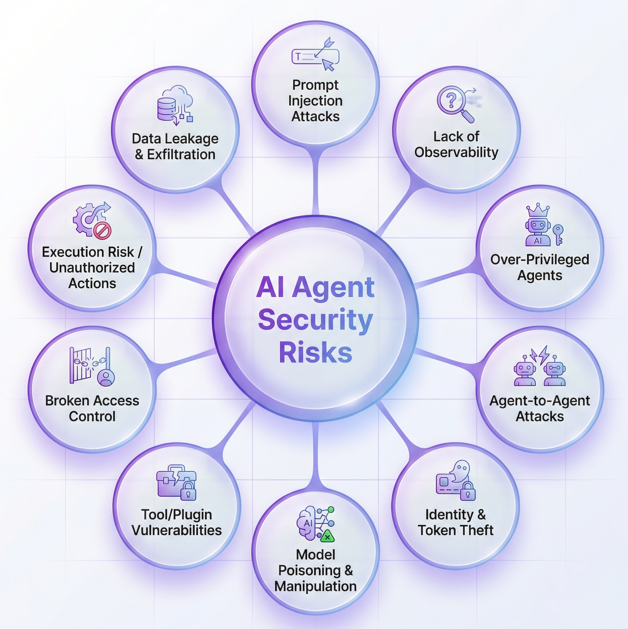
Here are the most common AI agent security risks:
• Prompt Injection Attacks: Malicious inputs that hijack the agent's instructions, causing it to perform unauthorized actions
• Data Leakage & Exfiltration: Agents may accidentally expose sensitive data to external systems or tools they interact with
• Execution Risk / Unauthorized Actions: Since agents can take real-world actions, attackers can trigger harmful automated operations like unauthorized transactions, data deletion, or system changes
• Broken Access Control: Agents may gain excessive permissions to tools, APIs, or sensitive systems without proper restrictions
• Tool/Plugin Vulnerabilities: External tools agents use expose them to classic software threats like SQL injection and remote code execution
• Model Poisoning & Manipulation: Attackers corrupt training data or model behavior to make agents act maliciously or leak information
• Identity & Token Theft: Compromised credentials allow attackers to impersonate agents or steal authentication tokens
• Agent-to-Agent Attacks: In multi-agent systems, compromised agents can attack other agents or manipulate their behavior
• Over-Privileged Agents: Agents running with excessive permissions that exceed their intended scope, creating blast radius for attacks
• Lack of Observability: Difficulty tracking what agents do, making it hard to detect and respond to security incidents
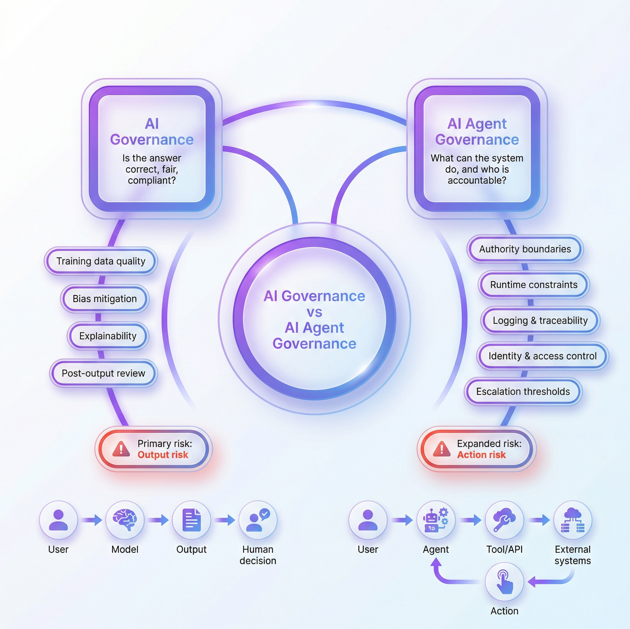
AI Governance vs. AI Agent Governance
While traditional AI governance is designed to mitigate output-focused risks, agentic governance is designed to mitigate action-related risks. AI agent governance represents the security of agentic tools that can make decisions and take action independently. AI governance covers the training data and output security of models, while AI agent governance covers the automation and action risks of the model. For example, traditional AI only carries output risk, while agentic AI carries risks such as prompt injection and data leaks. The urgency of this distinction is underscored by a 2025 enterprise analysis which found that more than 80% of enterprises lack mature AI infrastructure including monitoring, auditability, and control mechanisms required to govern agentic systems at scale.
How to Build an Agentic AI Governance Framework?
An agentic AI governance framework refers to governance models, controls, monitoring systems, and safeguards designed specifically for AI agents. Let's discover how to build an agentic AI governance framework step-by-step.
1. Establish a Governance Foundation
First, you need to define a scope that includes agent types, agent purposes, autonomy level, business objectives, and agent authorization levels. This will allow you to create an AI agent governance structure with clear roles and accountability. You can also categorize agents based on their risk levels at this stage.
2. Define Ethical Principles
At this stage, you need to set core governance principles such as human oversight, transparency, and fairness. You can also create a risk score metric based on the level of autonomy. To minimize risk, differentiate between tasks that require human approval and those that require agent decision-making and action.
3. Implement Safeguards and Controls
Integrating safeguard principles into AI agents before deployment is an effective way to mitigate risk. Deploy essential technical safeguards such as behavior constraints, kill switches, and circuit breakers. Afterwards, test to ensure all safeguards are working.
4. Data Governance and Transparency
You need to establish data quality, bias detection, and privacy requirements to ensure data privacy protections. This is necessary for both data security and ensuring the reliability of the data the agent will use, reducing the risk of toxic data and documents. Additionally, set up transparency so you can track the agent's interactions and processes while users interact with or observe the AI agent.
5. Monitoring & Auditing
If you cannot observe and track the movements of your agents, you have no control over them and are vulnerable to risks. The scale of that exposure is significant: security research shows that 73% of AI systems assessed in security audits showed exposure to prompt injection vulnerabilities, yet current detection methods catch only 23% of sophisticated attacks. Therefore, you need to establish a monitoring system that allows you to observe agent interactions, agent actions, and suspicious behavior. Furthermore, keeping records of potential activity is the most effective way to take precautions and enhance security.
6. Regulatory Compliance
Map your governance framework to existing regulations such as GDPR, the EU AI Act, and sector-specific rules to deploy and use your AI agents legally. This will ensure you don't encounter any legal challenges in the region where you want to use your AI agent. Furthermore, ensuring your agent complies with regulatory regulations makes it more secure.
7. Training and Improvement
Training all your employees on the AI agents you will be using is the best way to prevent human-caused security vulnerabilities. This is more critical than ever: Deloitte’s 2026 State of AI survey of 3,235 global leaders found that the AI skills gap is the single biggest barrier to integrating AI into existing workflows, with education cited as the number one way companies adjusted their talent strategies. Establishing feedback loops that capture insights from an operational perspective helps you to continuously improve AI agent governance. Scheduling periodic reviews will be beneficial in collecting regular and consistent feedback and insights.
TextCortex: Governed Enterprise AI Infrastructure
If you need an enterprise AI infrastructure that offers AI agent governance and regulatory compliance, with its monitoring systems, compliance, and safety policies, TextCortex is the solution for you. TextCortex is an AI platform that enables you to securely use AI agents and other AI features.
TextCortex Features
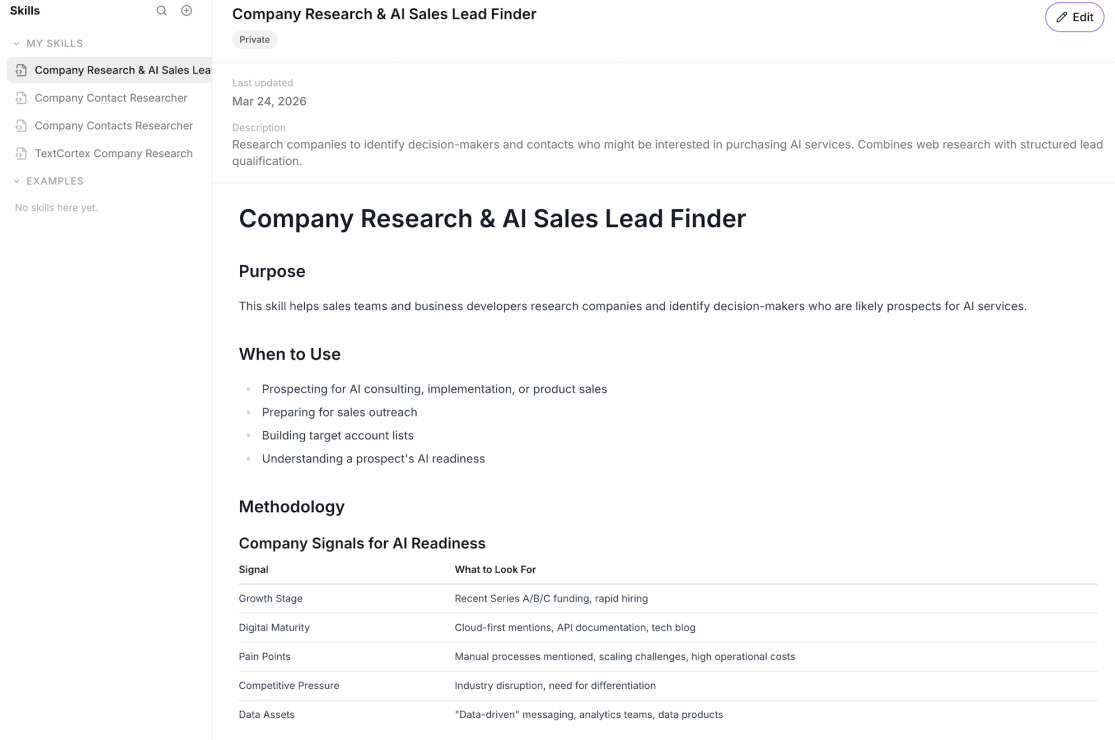
With TextCortex, you can build AI agents for your specific tasks. To ensure your AI agents work effectively, you can also create modular prompt groups called skills. For example, you can add a skill to your AI agent that analyzes your customer support tickets and documents the same issues in a list.
You can utilize our knowledge bases to allow your AI agents access to your internal data. Knowledge bases are systems where you can upload your internal documents or connect to databases such as Slack, Google Drive, and Notion. You can add the knowledge bases you create as memory to your AI agent.
TextCortex AI Security and Safety
TextCortex offers various security measures to protect its users' sensitive data. You can access all of TextCortex's security programs and information via this link. TextCortex's first enterprise AI security offerings are its compliance and certifications. In addition to compliance with EU AI Act regulations and GDPR, TextCortex offers SOC 2 Type I, SOC 2 Type II, and ISO 27001 certifications.
Policies
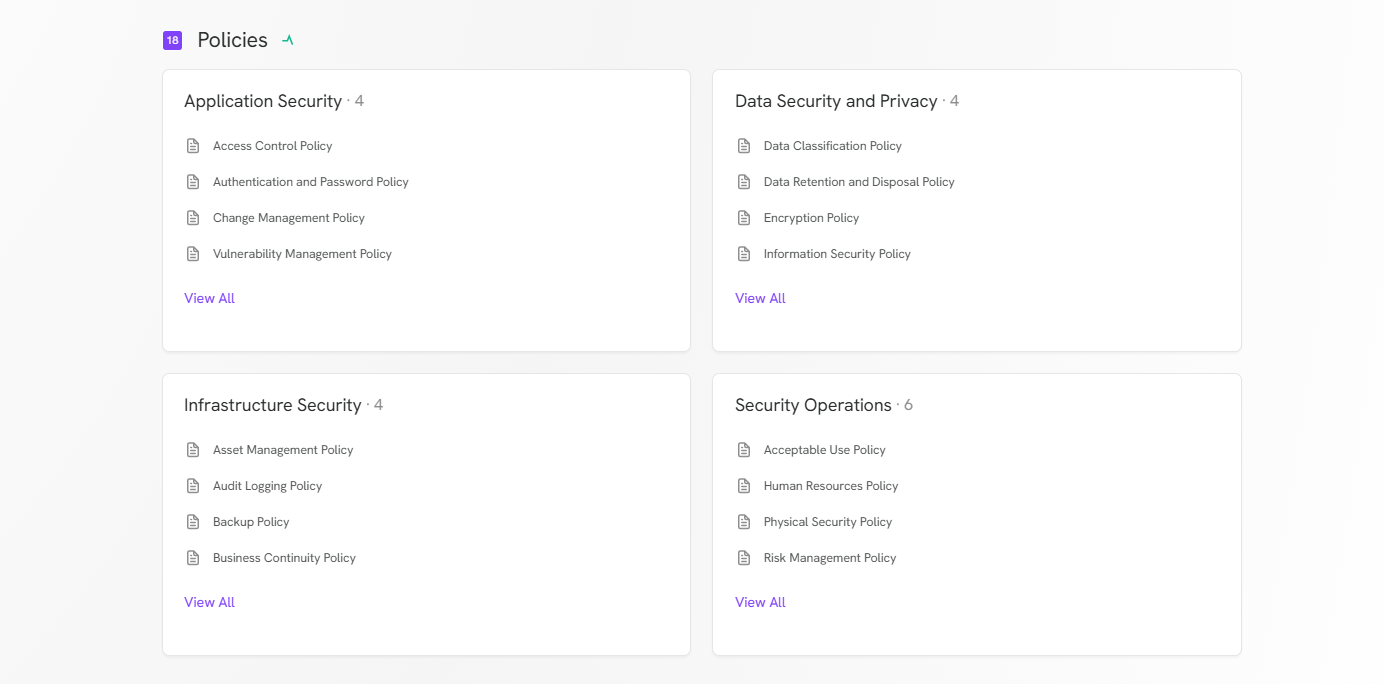
TextCortex offers policies in four different areas to provide users with a secure and safe AI experience:
- Application Security
- Data Security and Privacy
- Infrastructure Security
- Security Operations
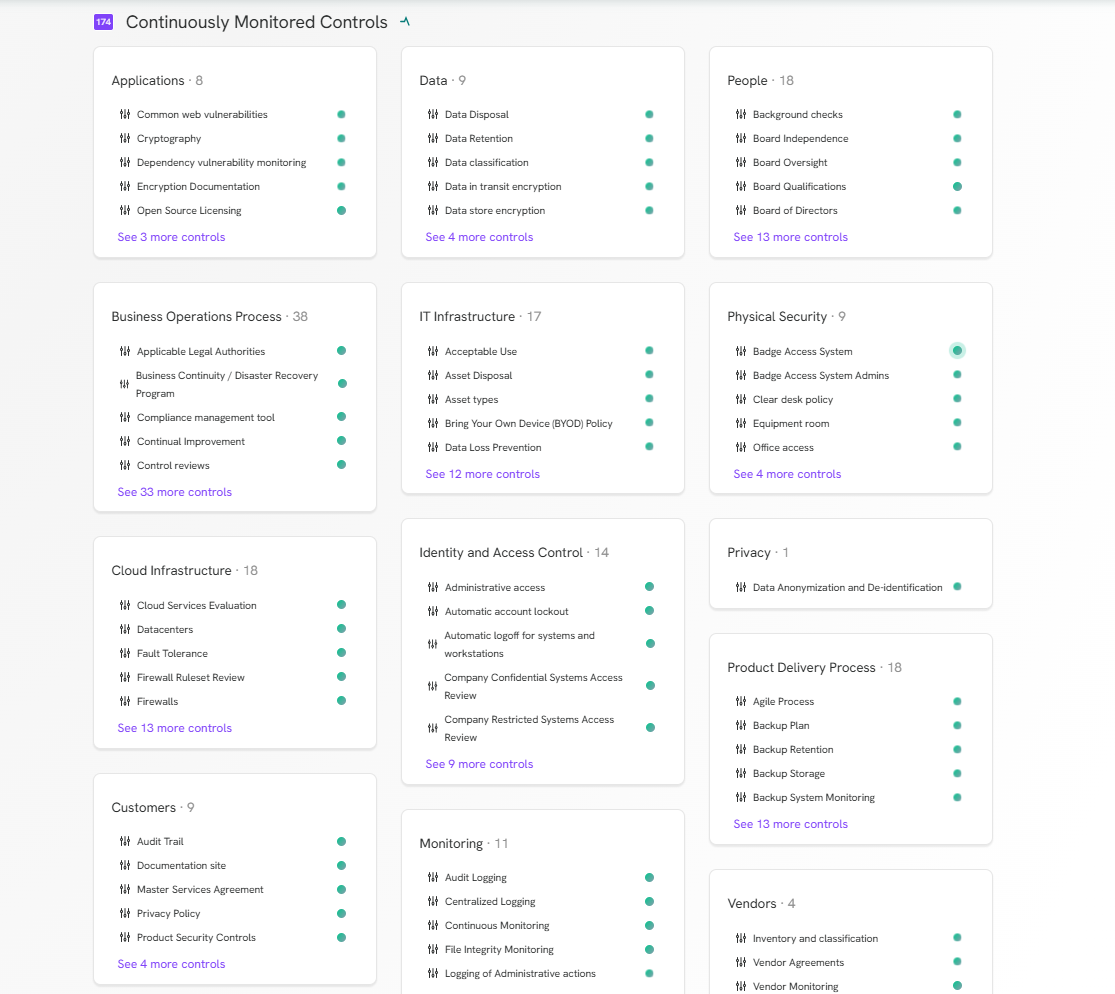
Continuously Monitored Controls
Before integrating TextCortex into your enterprise, you should know that it allows you to continuously monitor a wide range of controls. With TextCortex, you can monitor controls under the following headings:
- Applications
- Data
- People
- Business Operation Process
- IT Infrastructure
- Physical Security
- Cloud Infrastructure
- Identity and Access Control
- Privacy
- Customers
- Monitoring
- Product Delivery Process
- Vendors
Frequently Asked Questions
What is AI agent governance?
AI agent governance encompasses the policies, frameworks, and controls that manage how autonomous AI agents operate within an enterprise—including access controls, audit trails, and compliance measures. It ensures agents operate safely and remain under centralized IT oversight.
Why is AI agent governance critical for enterprises?
Without governance, unsecured AI frameworks create significant security risks—prompt injection vulnerabilities, data leaks, and over 135,000 internet-exposed instances. Kaspersky has called this "the biggest insider threat of 2026."
What are the key components of an AI agent governance framework?
Effective governance requires identity/authentication controls, data handling policies, comprehensive audit trails, third-party skill vetting, and runtime isolation to prevent the "lethal trifecta" of AI risks.
How does AI agent governance differ from traditional IT governance?
Unlike static applications, AI agents make autonomous decisions and modify behavior dynamically—requiring continuous monitoring rather than one-time security reviews. Governance must address unique risks like prompt injection and dynamic skill acquisition.
How does TextCortex address AI agent governance?
TextCortex provides GDPR-compliant hosting, prevents data use for model training, offers centralized governance dashboards with audit trails, and eliminates API key management risks.
.png)
.png)
.png)