.png)
Anthropic released its latest large language model, Claude Sonnet 5, on June 30, 2026. Claude Sonnet 5 is a more advanced version of its predecessor and comes with systems like a new tokenizer. You can use Claude Sonnet 5 for both your daily and professional tasks. It includes more advanced features such as reasoning, coding, writing, and prompt following. If you're wondering how to access Claude Sonnet 5 and integrate it into your enterprise, we've got you covered!
In this article, we'll explore how to access Claude Sonnet 5.
TL; DR
Anthropic released Claude Sonnet 5 on June 30, 2026, as a mid-tier model offering near-Opus 4.8 performance at lower cost for tasks like data analysis, document review, coding, debugging, research, translation, and Q&A. Its shared tokenizer with Mythos and Fable 5 cuts token usage by up to 30% versus Sonnet 4.6, making it more cost-effective at low-to-medium effort levels, though Opus 4.8 becomes more efficient at higher effort levels. Access options include: the free Claude AI chatbot (claude.ai), the Claude API ($3/$15 per million input/output tokens, with introductory pricing of $2/$10 through August 31, 2026), AWS (via Amazon Bedrock and Claude Platform), Google Cloud (via Model Garden's Agent Platform), and Microsoft Foundry. Sonnet 5 is not GDPR/EU AI Act compliant by default; for compliant enterprise deployment, TextCortex offers it as an EU-hosted API and customizable AI agent for tasks like M&A due diligence, document review, and workflow automation.
Claude Sonnet 5 Review
Claude Sonnet 5 is the middle member of the Claude LLM family, developed by Anthropic and released on June 30, 2026. Claude Sonnet 5 is a model designed to perform standard tasks that are not overly complex. Therefore, it has lower pricing compared to Claude Opus models or the GPT-5.5 model. With Claude Sonnet 5, you can perform tasks such as data analysis, document review, code writing, debugging, research, translation, and Q&A. Furthermore, Claude Sonnet 5 exhibits advanced agentic performance, meaning you can automate repetitive tasks using it, including tool use and coding.

Is Claude Sonnet 5 Free?
Yes, you can use Claude Sonnet 5 for free via the claude.ai web application. However, if you want to use the Claude Sonnet 5 model as an API, you will need to pay the input and output token pricing. The Claude Sonnet 5 API charges $3 per million input tokens and $15 per million output tokens by default.

Introductory pricing of $2/$10 per million input/output tokens is in effect through August 31, 2026, after which the standard pricing of $3/$15 per million input/output tokens will take effect.
Claude Sonnet 5 Features
The Claude Sonnet 5 model has significantly better reasoning, coding, computer use, and knowledge work capabilities than its predecessor, the Claude Sonnet 4.6 model. In this respect, we can say that the Claude Sonnet 5 model has similar performance to the Claude Opus 4.8 model. The only disadvantage of the Claude Sonnet 5 model compared to the Claude Opus 4.8 model is its slightly lower performance. While this makes the Sonnet 5 model superior at low and medium effort levels, as the effort level increases, the Claude Opus 4.8 becomes a more effective model.

The Claude Sonnet 5 model adopts the same tokenizer system as previous Anthropic releases, Claude Mythos and Fable 5. Thanks to this tokenizer system, Claude Sonnet 5 consumes up to 30% fewer tokens than Claude Sonnet 4.6 for tasks of the same volume and difficulty. This makes Claude Sonnet 5 more cost-effective. Since Claude Sonnet 5 is a replacement for Claude Sonnet 4.6, you may experience up to a 30% reduction in the cost of tasks completed or automated using Claude Sonnet 4.6. However, at higher effort levels, Claude Sonnet 5 will consume more tokens, so even though the pricing is higher, using Claude Opus 4.8, which completes tasks using fewer tokens, would be a more cost-effective method.
How to Access Claude Sonnet 5?
The Claude Sonnet 5 model has a wide range of uses because it's better than the Claude Sonnet 4.6 selfie model and, up to a certain effort level, comparable to the Claude Opus 4.8. You can use it for everyday tasks such as research and email reading, as well as professional tasks such as document data analysis and workflow automation. If you're wondering how to access and use the Claude Sonnet 5 model, let's discover the methods for accessing it.
Access Claude Sonnet 5 via Claude AI Chatbot
The first way to access the Claude Sonnet 5 model is to use it via the Claude AI chatbot. You can access the Claude Sonnet 5 model free of charge through claude.ai.

To access the Claude Sonnet 5 model via claude.ai simply:
- Head to the Anthropic’s website
- Create a free account
- Inizia a chattare
Access Claude Sonnet 5 via API
The way to access the Claude Sonnet 5 model and power your own AI models using it is to use it as an API. The Claude Sonnet 5 API has the same pricing as Claude Sonnet 4.6. You can use the Claude Sonnet 5 API by integrating the Sonnet 5 model into your own enterprise or app. The downside is that the Claude Sonnet 5 model is not GDPR and EU AI Act-compliant by default. If you want to use the Claude Sonnet 5 model in the European region, you need to use it through platforms that offer it as GDPR-compliant, such as TextCortex.

Access Claude Sonnet 5 via AWS
Another way to access the Claude Sonnet 5 model is by using it with AWS products like Claude in Amazon Bedrock and Claude Platform on AWS. The Claude Sonnet 5 model is not available in the Claude on Amazon Bedrock (legacy) version. Almost all Claude models, including Claude Sonnet 5, can be accessed through AWS products.

Access Claude Sonnet 5 via Google Cloud
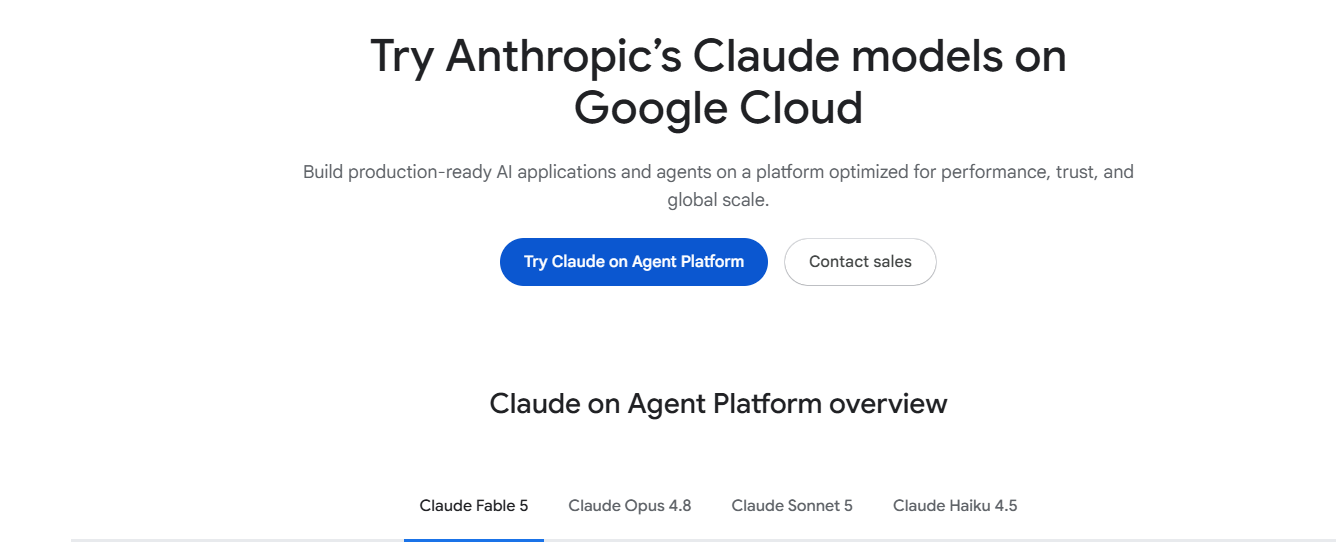
The way to use the Claude Sonnet 5 model in knowledge work is through Claude on Google Cloud. Google Cloud's Agent Platform allows you to access and use all Claude models, including Claude Sonnet 5, as an agent.
Access Claude Sonnet 5 via Microsoft Foundry
Another way to access and use the Claude Sonnet 5 model in your workflows is through Microsoft Foundry. With Microsoft Foundry, you can deploy the Claude Sonnet 5 model and use it to complete any task or for your personal tasks.
Access Claude Sonnet 5 via TextCortex AI
If you want to use all Claude models, including Claude Sonnet 5 and more, for enterprise-grade tasks and automations, TextCortex is the solution for you. With TextCortex, you can use all Claude models, including Claude Sonnet 5, for professional tasks such as workflow automation, knowledge work, AI search, research, and data & document analysis.

Access Sonnet 5 via TextCortex API
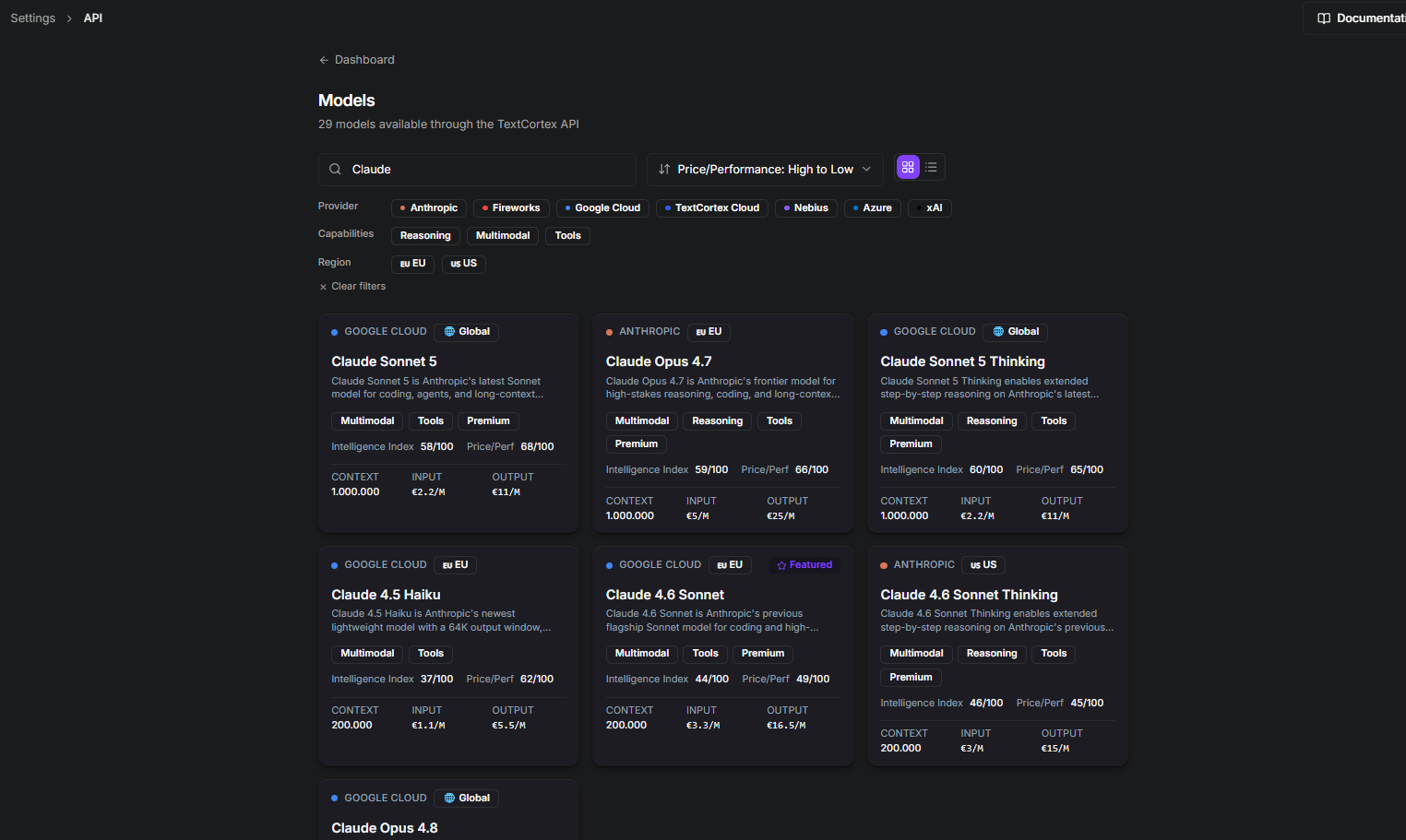
If you want to use the Claude Sonnet 5 model in the European region in compliance with regulations and the EU AI Act, TextCortex is the solution for you. Through TextCortex, you can access a wide range of large language models, including Claude Sonnet 5, as APIs in a GDPR-compliant and EU AI Act compliant manner. This allows you to use Claude Sonnet 5 and other Claude models to automate your workflow and make your enterprise smarter in the EU region without violating any laws.
Claude Sonnet 5 Powered AI Agents
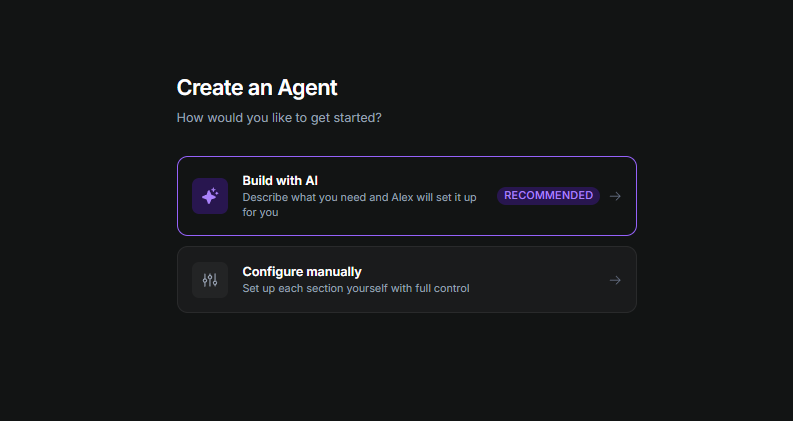
With TextCortex, you can build AI agents that use the Claude Sonnet 5 model as the default model and automate various tasks within your enterprise. For example, with the TextCortex AI agent builder, you can build AI agents that automate your M&A due diligence tasks such as document review, contract review, and data analysis, generating accurate and consistent output every time and saving you time. There are two methods for building AI agents with TextCortex: the first is to build it with AI, and the second is to build it manually.
Domande frequenti
Is Claude Sonnet 5 available?
The Claude Sonnet 5 model was released by Anthropic on June 30, 2026, and has access options such as claude.ai, API, Amazon AWS, and TextCortex AI.
Is Claude Sonnet 5 free?
The Claude Sonnet 5 model is free to use in the claude.ai app. However, if you want to use the Claude Sonnet 5 model as an API to automate your enterprise workflow, you will need to pay API pricing.
How to access Claude Sonnet 5 for free?
To gain free access to the Claude Sonnet 5 model, all you need to do is create an Anthropic account and log in to the Claude AI web application. After that, you can start chatting with the Claude Sonnet 5 model on the page that opens.
.png)
.png)
.png)